

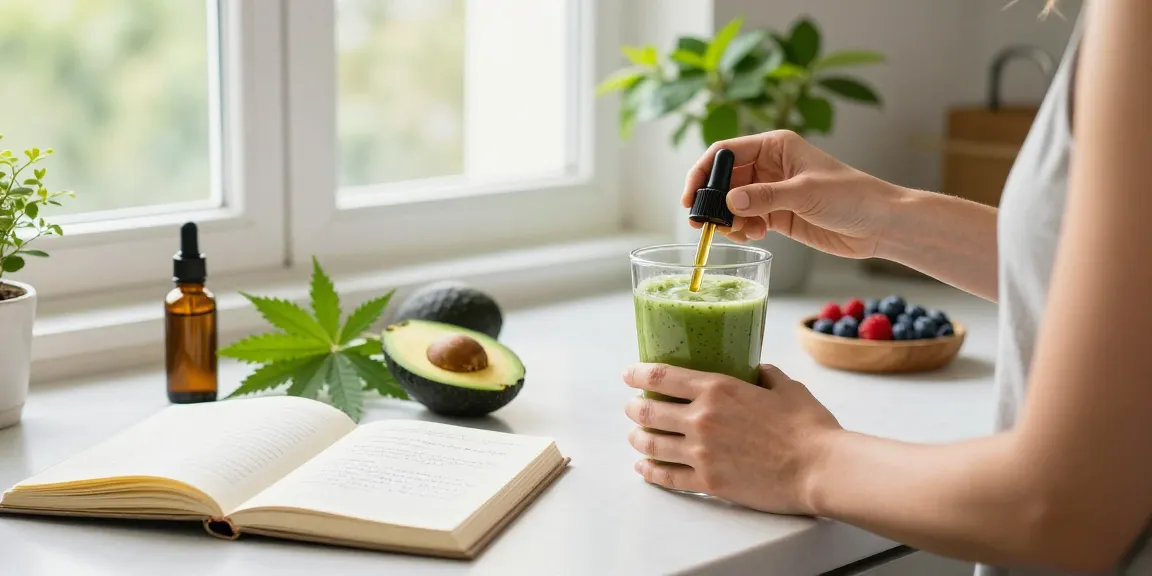
Understanding CBD and Its Health Benefits
The growing interest in wellness alternatives has put Cannabidiol (CBD) in the spotlight, thanks to its therapeutic potentials without the psychoactive effects commonly associated with tetrahydrocannabinol (THC). As more individuals explore natural remedies for various health concerns, CBD has emerged as a popular choice. In this comprehensive guide, we will delve into the benefits of CBD, its interaction with the body’s endocannabinoid system (ECS), and the different methods through which it can be consumed. For those seeking reputable sources, Ministry seeds provides a diverse selection of cannabis seeds that cater to enthusiasts and collectors alike.
What Are Cannabinoids and Their Effects?
Cannabinoids are chemical compounds that interact with the endocannabinoid system (ECS), a complex cell-signaling system identified in the late 1980s. This system is critical in regulating various physiological processes, including mood, memory, appetite, and pain sensation. The two primary cannabinoids are THC and CBD, both found in cannabis plants. THC is famous for its psychoactive effects, while CBD has been widely studied for its therapeutic applications, including anxiety relief, pain management, and neuroprotection.
Therapeutic Benefits of CBD in Wellness
Research indicates that CBD may contribute positively to various health concerns. Studies show its potential effectiveness in managing anxiety disorders, reducing inflammation, and improving sleep quality. Additionally, CBD may help with neurological conditions, such as epilepsy, demonstrating its broader role in enhancing wellness. Its non-psychoactive nature makes it a preferred option for those seeking relief from ailments while avoiding psychoactive effects.
Research on CBD’s Efficacy and Safety
Extensive research has been conducted to evaluate the efficacy and safety of CBD. Comprehensive reviews of existing studies reveal positive outcomes in areas of mood regulation, chronic pain management, and overall health improvement. Notably, the FDA continues to examine additional findings as it relates to regulatory frameworks. However, it is essential to approach these treatments with awareness, as effects can vary based on individual body chemistry and tolerances. Always consult with healthcare professionals before starting any new wellness regimen.
Types of CBD Products and Their Uses
Understanding the diverse range of CBD products available is crucial to finding the right fit for individual wellness goals. From tinctures to edibles, the options are plentiful, each offering unique benefits. CBD oils and tinctures are known for sublingual absorption, providing a rapid onset of effects, while edibles like gummies or beverages offer a more prolonged experience once metabolized. Additionally, vaping remains a popular delivery method due to its fast absorption rates. By exploring the various types of products on the market, consumers can make informed decisions to enhance their wellness journey.
Exploring Oils, Edibles, and Topicals
CBD oils and tinctures are commonly used for their versatility and ease of dosage. Administering CBD sublingually allows for quick absorption into the bloodstream, leading to more immediate effects. Edibles, on the other hand, require digestion, leading to a delayed onset of effects but often resulting in longer-lasting relief. Topicals, such as creams and balms, are designed for localized relief, targeting specific areas of discomfort without entering the bloodstream. Understanding these differences can significantly impact the effectiveness of the chosen product.
Vaping CBD: Pros and Cons
Vaping CBD can provide rapid relief, making it an attractive option for many users. With various vape products available, including cartridges and e-liquids, consumers can select based on their preferences. However, it is essential to consider potential risks associated with vaping, such as lung health concerns and the quality of vape products. Research into the safety of vaping technology continues to evolve, urging potential users to opt for reputable brands that prioritize safety and transparency in manufacturing.
Choosing the Right Delivery Method for You
The appropriate delivery method for CBD often depends on personal needs and lifestyle. Individuals seeking immediate effects might prefer oils or vaping, while those looking for long-term benefits may opt for edibles. Factors such as metabolism, desired effects, and personal habits should inform the delivery method selection, ensuring not only efficacy but also a positive experience with CBD.
Proper Dosage Guidelines for CBD
Dosing CBD can be a nuanced process, as it varies significantly between individuals based on factors such as body weight, metabolism, and specific health goals. Understanding proper dosing guidelines is essential for maximizing the benefits of CBD while minimizing potential side effects.
How to Calculate Your CBD Dose
To calculate an appropriate CBD dose, consider starting at a low dosage and gradually increasing it. A common starting point is 5-10 mg of CBD, adjusting based on individual responses. This “start low, go slow” method allows users to find their optimal dose without overwhelming the body. Taking into account body weight can also assist in determining a suitable starting amount, as individuals with higher body weights may require slightly more CBD to achieve the desired effects.
Understanding Titration and Its Importance
Titration refers to the systematic adjustment of CBD dosage based on the user’s response over time. This method is crucial, as it helps in finding the effective dose for individual needs while avoiding potential adverse effects. Regularly assessing how the body responds to CBD can inform when to increase or decrease dosage, thereby optimizing the overall wellness experience.
Indicators for Adjusting Your Intake
Monitoring characteristics such as symptom relief, side effects, and overall well-being can guide dosage adjustments. If users experience drowsiness, digestive changes, or other discomfort, it may signal the need to reassess and possibly lower the dose. Conversely, if effects are not as pronounced as desired, users may consider gradually increasing their intake.
Quality Assurance in CBD Products
Quality assurance is critical in selecting CBD products to ensure safety and effectiveness. With the rise in popularity of CBD, it’s important to choose products backed by third-party testing and transparency in their manufacturing processes.
Reading Certificates of Analysis (COA)
A Certificate of Analysis (COA) provides vital information on the cannabinoid profile and purity of a CBD product. Every reputable brand should offer access to its COA, allowing consumers to verify the product’s content and its safety from harmful contaminants. By carefully reading the COA, consumers can confirm that the product aligns with their expectations for efficacy and safety.
Understanding Third-Party Testing Standards
Third-party testing is crucial for establishing a product’s legitimacy, identifying cannabinoid profiles, and ensuring no harmful substances like pesticides or heavy metals are present. Brands that adhere to rigorous third-party testing protocols often prioritize consumer safety and confidence in their products, making them more reputable options for consumers.
Indicators of High-Quality CBD Products
Indicators of quality in CBD products include clarity in labeling, availability of COAs, organic sourcing, and good manufacturing practices (GMP). A credible brand will use premium-quality, non-GMO hemp and will disclose key information pertaining to its sourcing and processing methods. Watching for red flags such as unverified claims, lack of transparency, or absence of third-party testing can guide consumers toward safer and more effective options.
Legal Considerations for CBD in 2026
As the CBD landscape continues to evolve, understanding the legal considerations surrounding its use remains a vital aspect of consumer education. The 2018 Farm Bill significantly altered the regulatory framework, leading to increased access and availability of hemp-derived products.
Understanding Current Regulations and Compliance
As of 2026, CBD products must comply with specific federal and state regulations that outline permissible THC levels (below 0.3%) and ensure proper labeling. The FDA has yet to provide comprehensive guidelines for CBD marketing; therefore, consumers must remain vigilant regarding brands’ claims and safety standards.
The Differences Between CBD and THC Legally
While both CBD and THC are derived from cannabis, they exist under different legal classifications. THC remains a controlled substance in many areas, while CBD has gained legality as a hemp-derived product, provided it meets federal regulations concerning THC content. Understanding these differences is essential for legal compliance and informed use.
What to Expect in Future CBD Legislation
Future legislative changes regarding CBD are anticipated as ongoing research and social acceptance continue to unfold. Potential modifications could address clearer guidelines on marketing, health claims, and safety standards. Staying informed about these changes will benefit consumers and industry participants alike.
What are the potential side effects of CBD?
While CBD is generally considered safe, potential side effects may include drowsiness, dry mouth, and digestive changes. Notably, the severity and occurrence of these effects can vary greatly between individuals. Consulting a healthcare professional before integrating CBD into any wellness routine is strongly recommended, particularly for those on medication or with underlying health conditions.
How does CBD interact with other medications?
CBD may interact with certain medications, particularly those processed by the liver. This can affect the effectiveness and metabolism of other drugs, including blood thinners and seizure medications. A thorough discussion with a healthcare provider should precede the use of CBD—especially for individuals on long-term medication regimens.
Is it safe to use CBD during pregnancy?
While some women may consider CBD for managing pregnancy-related symptoms, current research on its safety during pregnancy is limited. Most professionals advise pregnant or breastfeeding women to refrain from using CBD due to the lack of comprehensive safety data.
What quality indicators should I look for in CBD products?
Key quality indicators include proper labeling, availability of COAs, organic certification, and transparency in sourcing and manufacturing. Furthermore, opting for brands with a solid reputation and positive consumer reviews can enhance confidence in the product’s safety and efficacy.
How should I store my CBD products for optimal shelf life?
To keep CBD products potent, they should be stored in a cool, dark place, away from direct sunlight and moisture. Proper storage helps to maintain freshness and efficacy, extending the lifespan of the products.