

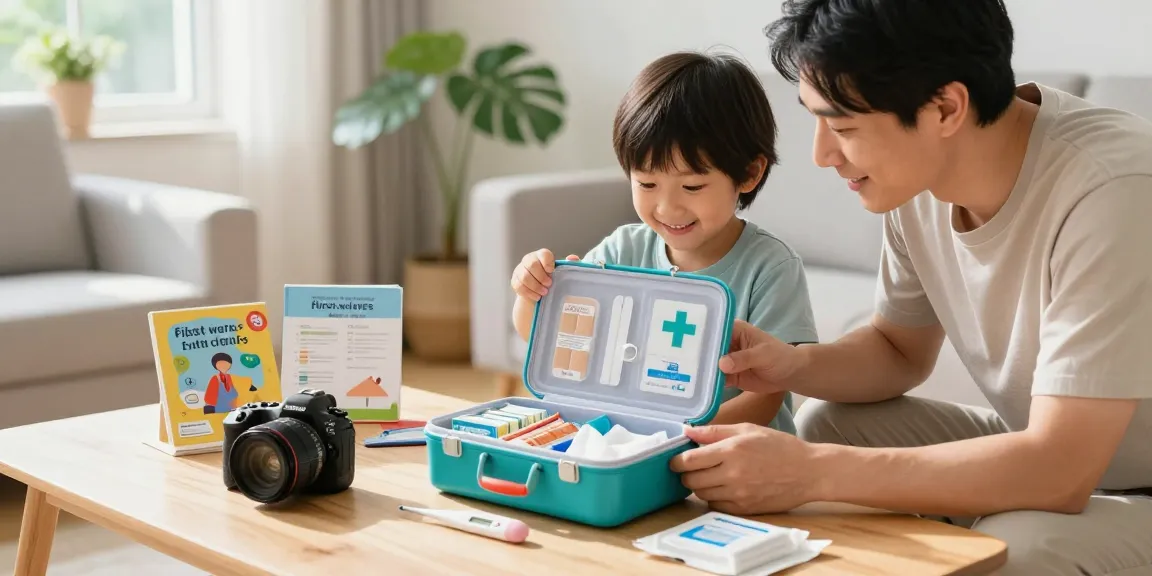
Understanding the Importance of a First Aid Box
In our daily lives, accidents can happen at any time, and being prepared can make all the difference. A first aid box is not just a collection of supplies; it’s an essential resource that can provide immediate help during emergencies. Whether at home, work, or outdoors, having a well-stocked first aid box readily available can mitigate injuries and even save lives. This article will delve into the importance of having a first aid box, outlining its contents, addressing misconceptions, and emphasizing its role in enhancing everyday safety.
When considering how to equip your own first aid box, it’s crucial to understand what supplies are essential and how they can help in various situations. Understanding these details ensures you are not only prepared for minor emergencies but also ready to tackle more severe situations effectively.
What Should Every First Aid Box Contain?
There are several critical items that should be included in every first aid box. These items can vary based on personal needs, the environment, or specific activities. Here’s a comprehensive list of essentials you should always have:
- Adhesive bandages in various sizes
- Sterile gauze pads and adhesive tape
- Antiseptic wipes or solution
- Antibiotic ointment
- Elastic bandages for sprains
- Scissors and tweezers
- Pain relievers such as acetaminophen or ibuprofen
- Thermometer
- First aid manual
- Instant cold packs
Above all, adding personalized items based on family needs or medical conditions is crucial, such as antihistamines for allergies or specific medications for chronic illnesses.
The Role of First Aid in Everyday Safety
The presence of a first aid box in homes and workplaces serves as a foundational element in promoting safety. Every household should consider the various scenarios that could arise, from cuts and bruises to more serious accidents. Properly addressing these injuries with the correct first aid techniques can significantly reduce the risk of complications.
Furthermore, educating all family members about the location and use of the first aid box fosters a culture of safety awareness, paving the way for a quicker response in emergencies.
Common Misconceptions About First Aid Supplies
Despite the importance of first aid supplies, many misconceptions exist. One common myth is that first aid boxes are only necessary for workplaces or during outdoor activities. In reality, every home should be equipped with adequate supplies. Another misconception is that a first aid box is only necessary for severe injuries. Many minor injuries can be treated effectively using first aid supplies, which is essential for proper injury management.
Choosing the Right First Aid Box for Your Needs
When it comes to selecting a first aid box, understanding your personal or family needs is vital. The right kit should address the specific risks associated with your lifestyle, environment, and any existing medical conditions.
Types of First Aid Boxes Available on the Market
The market offers a variety of first aid boxes ranging from basic kits for home use to comprehensive kits designed for specific activities, such as camping or traveling. Here are some popular options:
- Home First Aid Kits: Basic supplies for everyday accidents.
- Workplace Kits: Compliance-based kits that meet safety regulations.
- Outdoor Kits: Enhanced supplies for hiking, camping, and outdoor sports.
- Travel Kits: Compact kits designed for portability during travels.
Benefits of Customized First Aid Kits
Customized first aid kits have gained popularity due to their tailored contents that address specific needs. A kit personalized for a family with children may include items like insect bite relief or pediatric medications, while a kit for someone with allergies may prioritize antihistamines and EpiPens. Customization enhances preparedness, ensuring that all family members are adequately protected.
Factors to Consider for Family Safety Needs
Several factors should be taken into consideration when choosing a first aid box for your family. These include:
- The number of family members and their ages
- Common activities and potential risks
- Any pre-existing medical conditions or allergies
- The level of first aid knowledge within the family
By evaluating these factors, you can select a first aid box that genuinely meets the safety needs of your family.
Essential First Aid Techniques Everyone Should Learn
Having a first aid box is only part of being prepared. Equipping yourself and your family with essential first aid techniques is equally important. Understanding how to administer basic first aid can lead to quicker recoveries and potentially life-saving interventions.
Basic First Aid Skills for Parents and Caregivers
Parents and caregivers should prioritize learning these basic first aid skills:
- CPR (Cardiopulmonary Resuscitation): Essential for emergencies involving cardiac arrest.
- Choking Relief: Techniques for children and adults can vary.
- Wound Care: Proper cleaning and dressing of cuts and abrasions.
Engaging in community classes or online courses can enhance these skills, ensuring preparedness in emergencies.
How to Respond to Common Household Injuries
Household injuries are common and can range from minor to serious. Here’s how to address a few frequent incidents:
- Cuts and Scrapes: Clean the wound with soap and water, apply an antiseptic, and cover it with a sterile bandage.
- Burns: Cool the burn under running water, cover with a sterile cloth, and avoid using ice directly.
- Sprains and Strains: Elevate the injured area, apply ice, and use compression to reduce swelling.
First Aid Resources and Courses for Families
Many organizations offer resources and courses for families looking to improve their first aid knowledge. From local community centers to online platforms, these resources provide training and valuable information to prepare families for emergencies.
Maintaining Your First Aid Box for Optimal Effectiveness
Having a first aid box is not a one-time task; it requires regular maintenance to ensure that all supplies are functional and within their expiration dates.
Regular Checklists for Supplies and Expiry Dates
A regular checklist can help track the contents of your first aid box. It’s recommended to check supplies every six months. Key items to monitor include:
- Medications and ointments: Check their expiry dates.
- Bandages and gauze: Ensure they are clean and intact.
- Tools: Ensure scissors and tweezers are functional.
Replenishing and Updating Your First Aid Box
After using items from your first aid box, promptly replenish them. Additionally, periodically assess if your kit needs updating based on changes in your family’s health needs or activities.
Storage Tips for Quick Access During Emergencies
Proper storage of your first aid box enhances accessibility during emergencies. Here are a few tips:
- Store the box in a cool, dry place, easily accessible for all family members.
- Label the box clearly, so everyone knows where it is located.
- Consider a portable kit for trips or outings.
The Future of First Aid and Home Safety in 2026
As we move towards 2026, advancements in technology and health awareness are transforming how we approach first aid and safety at home. Staying informed about these changes can help families remain prepared and responsive to emergencies.
Emerging Trends in Health and Safety Supplies
Currently, there is a noticeable trend towards more comprehensive and user-friendly first aid supplies, such as multi-functional kits and smart technology that integrates emergency instructions directly into the equipment.
The Impact of Technology on First Aid Preparedness
Technological innovations, such as mobile applications that guide users through emergency processes and virtual reality training for first aid skills, are enhancing how families prepare for potential accidents.
Community Resources for Enhanced Family Safety
Communities are increasingly offering resources aimed at enhancing family safety, such as free workshops, first aid classes, and local emergency response training programs. Engaging with these resources can significantly bolster a family’s preparedness.
What Are the Best Practices for Family First Aid?
Some best practices to consider for family first aid include:
- Regularly reviewing first aid techniques as a family.
- Participating in local first aid workshops together.
- Creating an emergency plan that includes first aid procedures.
How Can I Make My First Aid Box More Comprehensive?
Enhancing the comprehensiveness of your first aid box involves incorporating recommended items based on personal experiences and specific environments. Consider the activities you participate in and tailor your kit accordingly.
What Innovations Are Coming in First Aid Supplies?
As we look to the future, we can anticipate innovations such as smart first aid kits that provide real-time data and alerts, portable health monitoring devices, and advanced training modules that leverage augmented reality for immersive learning experiences in first aid techniques.